
VVJL Fishing Game: Follow One Target First to Read the Screen Clearly
Use this VVJL Fishing Game guide to find stable controls, track one target path, read resource feedback, and choose a clearer mobile fishing rhythm today.
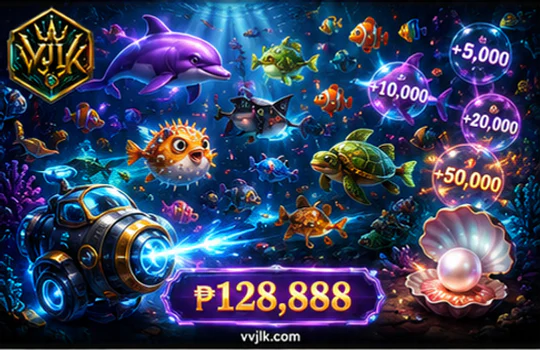
Start by Finding What Stays Fixed on the VVJL Fishing Screen
When almost everything is moving, the easiest way to understand the screen is to stop chasing movement for ten seconds. In a VVJL Fishing Game room, fish may cross from several directions while effects, numbers and controls compete for attention. Your first task is simpler: find the part of the interface that stays in one place. That fixed area becomes your visual home base before you follow any target.
On mobile, this matters even more. A 360–430 px display gives moving targets less space and puts your thumb close to the main control area. Before acting, locate the cannon or active control position, the visible resource or balance response, and one part of the field where you can comfortably watch a target enter and leave. Do not judge the room by how many bright objects it can show at once.
Find the cannon, fire control or active control state that the current VVJL game actually displays. If the screen offers power changes or another control, identify the selected state before using it.
Locate the number or feedback area that changes after an action. You want to see what the interface records, not simply what an explosion or animation suggests.
Choose one clear part of the field. Let targets move through that lane so your eyes can compare direction and speed without scanning the entire ocean every second.
This fixed-first habit gives you orientation. A large fish may look more important, but size alone does not make a target easier to read. A smaller target crossing a clean lane can be simpler to follow than a large one hidden by effects or other objects. The screen becomes more understandable when you keep the control state fixed in your peripheral vision and let only one target demand your focus.
If you arrived from a recommendation mentioning the VVJL app, use the current game screen as the authority for controls and feedback. App wording tells you how someone searched; it does not replace what the live interface shows. Once the stable control, resource area and watching lane are clear, you are ready for the three-anchor method.
Three Anchors Make the Moving VVJL Screen Easier to Read
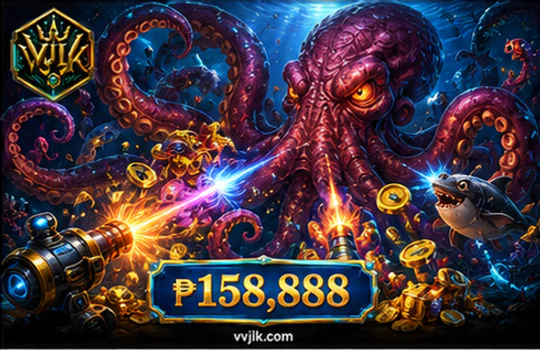
Now reduce the room to three anchors: target path, control state and resource response. You do not need to memorise every fish type or follow every effect. These three anchors give you enough structure to understand whether the current VVJL Fishing Game is readable on your phone and whether your actions produce clear interface feedback.
Watch where one target enters, which direction it travels, how quickly it crosses the field and whether other targets repeatedly cover it. A clean path gives you more visual information than a crowded chase.
Before each deliberate action, check the active cannon or control state. If a power level or mode is visible, make sure you know which state is selected rather than assuming the last tap changed it.
After the action, look back to the stable resource area. Bright effects are presentation; the recorded interface response is confirmation. Keep those two ideas separate when the field becomes busy.
The three anchors work together. A target path tells you what you are following. The control state tells you what you are doing. The resource response tells you what the interface recorded afterward. If one becomes unclear, pause and recover that anchor before another action. This is more useful than firing continuously and trying to reconstruct what happened later.
Adjacent search terms should not change that method. A query for VVJL app login may help you reach an account route, but login does not explain target behaviour. A query for VVJL app download may be about mobile access, but download wording does not confirm the mechanics of a fishing room. Once you are inside the current interface, use the screen itself to verify controls and response.
This also helps when you compare one VVJL game with another. One room may fill the field with quick small targets; another may use slower, more visible movement. Instead of calling one automatically better, ask which one lets you keep all three anchors clear. For a short mobile session, the more readable field can be the more comfortable choice.
The practical payoff is less visual overload. You stop reacting to every flash and start noticing a repeatable sequence: target, control, response. That is enough structure to move from watching into one deliberate path exercise.
Follow One Target From Entry to Exit Before You Act Again

The strongest way to test the framework is to follow one target all the way through its visible path before deciding whether to act. In the VVJL Fishing Game, resist the urge to jump between several moving objects. Pick one target as it enters the field and read five things in order. This turns motion into a simple observation exercise instead of a wall of animation.
Is the target moving left, right, diagonally or changing course? Establish the path before following details.
Is movement steady enough to track, or does the target cross your chosen lane too quickly for comfortable control?
Notice when other objects or effects cover the target. Overlap reduces readability even when the target itself is large.
Estimate how long the target remains clearly visible. A longer clean path may be easier to understand than a dramatic short appearance.
If you choose to act, use one deliberate input while the target, control state and resource area are all still readable.
After that one action, stop watching the explosion first. Look for the resource response and any current result feedback the interface provides. A bright impact, burst or sound can tell you that an effect played, but it should not be treated as the same thing as a confirmed result. Confirmation comes from the current screen state and recorded feedback.
This distinction is valuable because fishing games are designed to feel active. A large target can pull your eyes away from the control state, while overlapping effects can hide smaller movement. The one-target exercise brings your attention back to what can actually be checked. It also helps you decide whether the present VVJL game pace suits you without inventing a strategy from visual noise.
Try the exercise again with a different target speed. You may discover that slow movement is easier to track but stays in crowded areas longer, while a faster target has a cleaner path but less visible time. Neither automatically means a better outcome. The useful question is whether you can keep direction, control and response connected from start to finish.
On a phone, use the same test to check touch comfort. If your thumb covers the resource area or a control label, adjust your grip before continuing. If orientation changes are supported cleanly, compare the view that keeps the fixed anchors visible. The VVJL Fishing Game should feel easier once your eyes know where to return after every moving target.
Use the Full VVJL Fishing Guide for Controls, App Access and Current Details
You now have a complete way to simplify a busy fishing room: find what stays fixed, keep three anchors visible, then follow one target from entry to exit. The next step is deeper verification. Current controls, room rules and mobile access details should come from the official VVJL pages and the live interface you are using now. Repeating the same process on another VVJL Fishing Game screen also makes comparison easier because your judgment stays consistent.
If You Searched for VVJL App Download
Treat VVJL app download as an access query, not proof that a particular APK or installation file is currently available. Start from vvjlk.com or the current official route. If VVJL presently shows a download option, read the file, version and installation guidance displayed there before proceeding. If no current download route is shown, use the mobile website instead of searching for an unofficial package.
For Android, follow only the steps requested by the official current flow. Download from the verified VVJL route, open the file from your browser or downloads area, and allow installation from that source only if Android asks and you intentionally chose it. After installation, turn that temporary permission off again. For later updates, return to the official page rather than installing an unknown replacement file.
If you use VVJL app login, keep account access separate from fishing mechanics. First confirm that you are on the intended VVJL route and complete the login screen shown there. Then open Fishing and repeat the fixed-control check. A successful login tells you the account opened; the fishing interface still tells you which controls and resource indicators are current.
When returning through VVJL app login on another mobile session, use the same sequence again: confirm the account route, enter the current Fishing category, identify the fixed controls and only then follow a moving target. This keeps access steps and gameplay decisions separate.
The same rule applies whenever VVJL app download wording appears in an old bookmark or shared message. Recheck the official page before installing anything. Current access information can change, while an old file name may remain online long after it is useful.
Ready to Continue With a Screen You Can Read?
The value of this method is that you already know what to do after entry. Open the current VVJL Fishing Game, locate the stable control and resource area, follow one target path, and act only when those anchors remain clear. The registration screen below is the natural next step when you need current account-access details.
For deeper fishing mechanics, continue to the VVJL Fishing guide. You can also move to Slot for reel reading, Live Casino for dealer-led timing, or Sports for event and market information. Use Promotion for current member-value details and Contact when access, installation or account steps need help.
Final field check: moving effects create excitement, but the current control state and resource feedback tell you what the interface actually recorded. If either becomes unclear, pause, recover the fixed anchors and then choose the next action.
That is the practical advantage of the VVJL Fishing Game one-target method. A crowded ocean becomes a readable sequence: stable control, one path, one response. Once you can see those pieces clearly, mobile fishing feels less overwhelming and every next tap has a visible reason behind it.